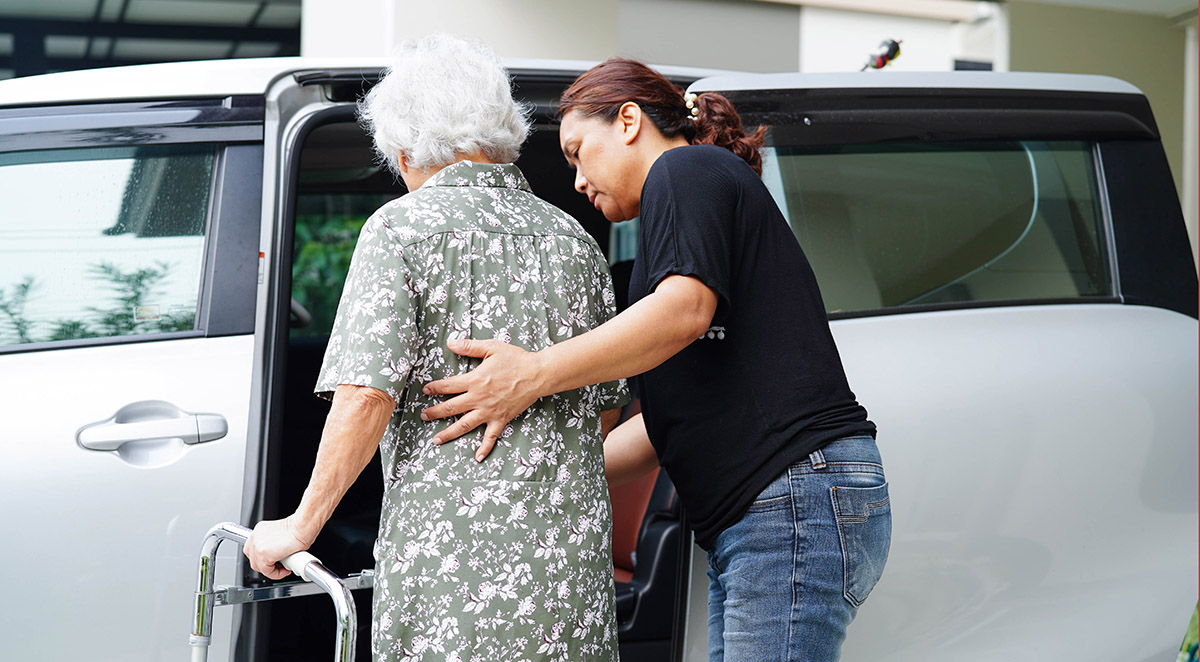
The day a loved one comes home from the hospital should feel like relief. In practice, it often feels like a scramble. Discharge orders arrive at an unpredictable hour, paperwork gets handed over in a rush, and someone suddenly realizes that the person going home cannot safely climb into the family sedan. The medical care has been handled beautifully. The ride home is the part nobody planned.

The Blue Ridge Parkway is often called America's Favorite Drive, and for good reason. It winds 469 miles through the Appalachian highlands, revealing forested peaks, quiet hollows, and long-range mountain views at nearly every curve. For travelers with limited mobility, the best news is simple: the drive itself is the destination. You do not need to hike a rugged trail to experience the wonder of these mountains, because so much of the beauty unfolds right outside your window.
Many seniors and wheelchair users assume the Parkway is out of reach, but thoughtful planning and the right transportation open the door to a memorable outing. This guide walks you through accessible stops near Asheville, practical planning tips, and how a comfortable, door-to-door ride removes the stress so you can focus on the view.

Western North Carolina has earned its reputation as one of the country's great craft beverage destinations, and the good news for wheelchair users is that many of the region's most celebrated breweries and wineries have made real progress toward accessibility. Whether you use a manual chair, a motorized chair, or simply move at a slower pace, a relaxing afternoon of tastings and mountain views is well within reach. The welcome you receive once you arrive is rarely the obstacle. More often, the harder part is getting there comfortably and with your dignity intact.
That is where a little planning makes all the difference. This guide walks through three well-known Asheville-area spots that have invested in accessibility, then offers practical tips for a smooth visit.

If you are a family caregiver in the Asheville area, you already know how demanding the role can be. Between managing medications, coordinating doctor visits, preparing meals, and providing emotional support, the responsibilities never seem to end. One task that often goes unrecognized as a major source of stress is transportation. Getting a loved one with limited mobility to and from appointments and errands can quietly become one of the most exhausting parts of caregiving.
For caregivers of seniors and people with disabilities, every trip involves physical effort, emotional energy, and careful planning. Understanding the connection between caregiver burnout and the transportation burden is the first step toward finding solutions that make a real difference for your family.

Finding reliable transportation for an elderly parent, a person with a disability, or a loved one recovering from a medical procedure is important. It’s a decision about trust, safety, consistency, and dignity. In a city like Asheville, where mountain roads and limited public transit are factors, choosing the right provider requires careful attention. Here is what you need to know.