
For caregivers supporting loved ones with mobility challenges or disabilities, coordinating medical appointments can be one of the most crucial yet complex responsibilities. Beyond simply getting to and from appointments, the entire experience—from scheduling to preparation to ensuring comfort during transit—requires thoughtful planning and consideration. As Western North Carolina's premier door-to-door transportation service, Loyal Lifts understands these challenges firsthand and has helped countless caregivers successfully navigate the medical transportation journey.

Traveling to Asheville in spring offers a wealth of experiences tailored to seniors and individuals with limited mobility. From the riot of color in the region’s renowned gardens to the gentle curves of mountain roads and the welcoming patios of local eateries, the Blue Ridge foothills come alive at this time of year. Navigating these attractions with accessibility in mind takes planning—and the right partner.
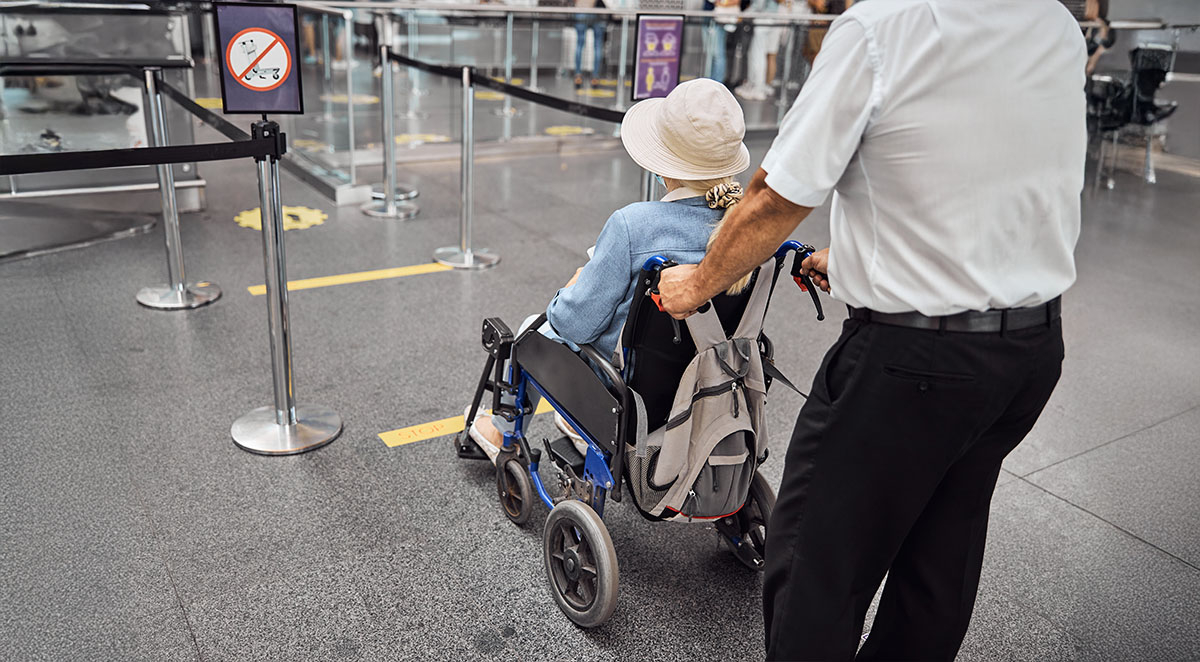
Traveling by air should be an empowering and enjoyable experience for everyone. However, for individuals with disabilities, navigating the complexities of airport travel—from booking a flight to connecting with ground transportation—can present unique challenges. This guide offers comprehensive advice to help you prepare, navigate airport procedures, and ensure a smooth journey.

Special events are unique moments in our lives—opportunities to celebrate milestones with friends and family, form deeper connections, and create lasting memories. Whether you’re hosting a wedding, a family reunion, or birthday celebration, it’s essential to plan with inclusivity in mind. For seniors and individuals with disabilities, physical accessibility, comfortable arrangements, and reliable disabled event transportation can make all the difference between feeling overlooked and feeling like cherished guests of honor.
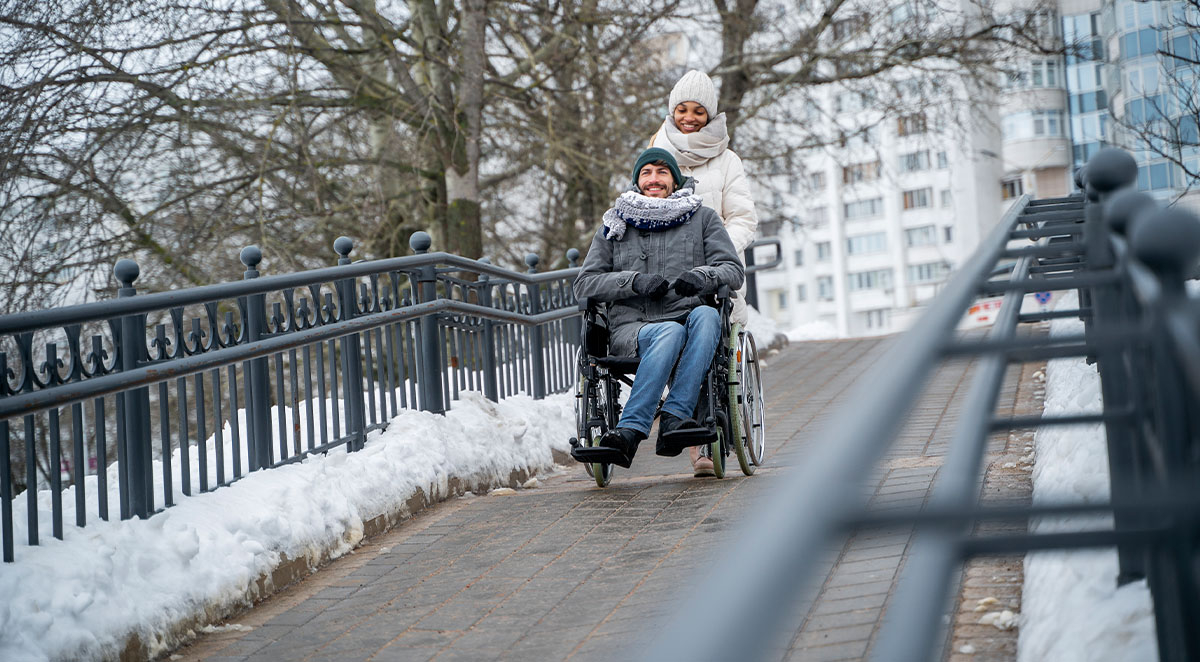
Winter in Western North Carolina is a season of breathtaking beauty, with its snow-covered landscapes and crisp mountain air. However, for seniors and individuals with disabilities, it can also present challenges and hazards.